JUNE 12TH, 2026
Air Nostrum Evaluates Fleet Renewal as Role Expands Within Iberia Network
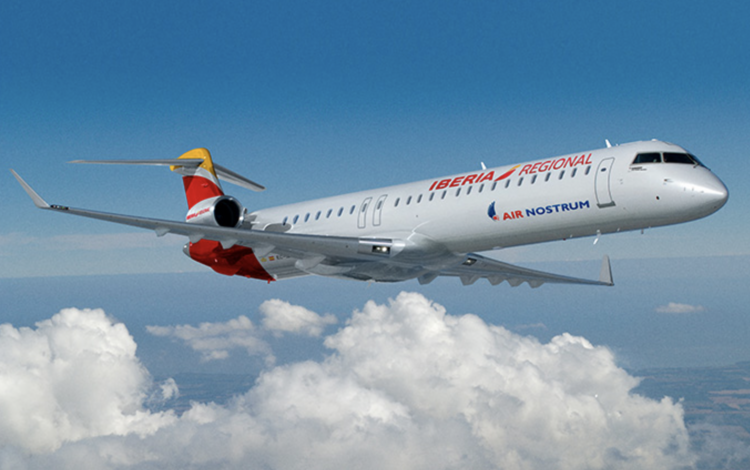
Spanish regional carrier Air Nostrum is reviewing the future of its fleet as it takes on a growing role within the Iberia network. The airline is weighing whether to extend the life of its 31 Bombardier CRJ1000 regional jets through major maintenance programs or begin a transition to a new generation of aircraft.
No final decision has been made, but the review comes as Iberia continues shifting lower-volume domestic routes to its regional partners. Aircraft manufacturers’ delivery backlogs mean any fleet replacement would be a long-term project.
The discussion coincides with broader strategic changes following the appointment of former Iberia executive Guillermo González Vallina as CEO of Air Investment, Air Nostrum’s parent company, earlier this year.
Air Nostrum has steadily expanded its presence on Iberia-branded domestic services as the IAG group focuses Iberia on medium- and long-haul operations. The most recent example was the Madrid–Asturias route, which transitioned entirely to Air Nostrum-operated regional aircraft in March 2026.
The airline currently operates 38 aircraft, including 31 CRJ1000s and seven ATR 72-600 turboprops, with an average fleet age of 11.5 years. Potential replacement options include Embraer’s E2 family and the Airbus A220.
Founded in Valencia in 1994, Air Nostrum carries more than 5.5 million passengers annually and operates approximately 80,000 flights per year.