JUNE 12TH, 2026
Wizz Air Sees Recovery Momentum as Grounded Fleet Returns and Growth Accelerates

Wizz Air is positioning itself for a stronger growth phase after two years of disruption caused by Pratt & Whitney GTF engine inspections, with management expressing confidence that the airline is emerging from one of the most challenging periods in its history.
Speaking during the airline’s FY2026 earnings call, CEO József Váradi said Wizz Air carried 70 million passengers during the year, up 10% year-on-year, while EBITDA increased 16%. The airline ended the fiscal year with more than €2 billion in cash and improved leverage metrics, despite continuing operational challenges linked to grounded aircraft.
The carrier has gradually reduced the number of aircraft grounded by engine inspections from 42 to 30 over the past year and expects the situation to be fully resolved by the end of 2027. Management indicated that no aircraft should remain grounded after that point, although additional spare engines will still be required to support operations.
Wizz Air expects capacity growth to accelerate over the coming months as aircraft return to service and previously suspended routes are reallocated. Rather than focusing on long-haul expansion, the airline has concentrated growth in its core Central and Eastern European markets, increasing frequencies and network density on shorter routes. This strategy is designed to improve aircraft utilization, attract more business travelers, and generate growth at lower operating costs.
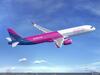
The airline has also completed a major strategic review of several underperforming operations. Following the closure of its Abu Dhabi venture and the shutdown of its Vienna base, management signaled that additional network adjustments could follow as Wizz Air focuses on profitability and avoids high-cost airport environments. The company confirmed it has ended plans to develop a dedicated Airbus A321XLR network and will instead deploy the aircraft within its broader A321neo operation.
Chief Financial Officer Veronika Spanarova highlighted strong cash generation during FY2026, with nearly €1 billion of free cash flow produced during the year. Fuel costs declined significantly as newer Airbus neo-family aircraft now represent 77% of the fleet, delivering lower fuel consumption and improved efficiency. Net debt-to-EBITDA improved to 3.7x from 4.4x a year earlier.
Looking ahead, Wizz Air believes the European airline industry could face significant pressure from rising fuel costs and geopolitical uncertainty. However, management sees potential opportunities emerging from market disruption, arguing that financially weaker carriers may be forced to cut capacity, creating openings for well-capitalized low-cost airlines. The company expects to continue growing while maintaining a strong cash position and remains committed to achieving double-digit net profit margins over the medium term.