JUNE 22ND, 2026
Singapore Airlines Turns to Offshore Yuan Bond Market as Funding Strategy Evolves
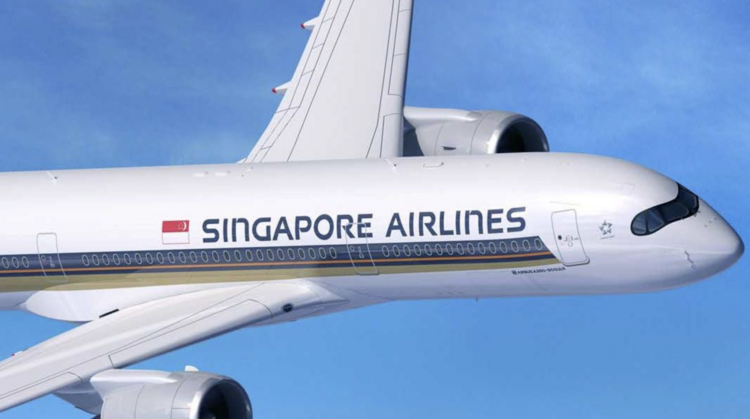
SINGAPORE — Singapore Airlines (SIA) is preparing to access the offshore renminbi debt market through a planned five-year bond issuance, further diversifying its funding sources amid evolving global capital market conditions.
According to an institutional mandate circulated on June 22, the airline has appointed Bank of China, DBS Bank, HSBC, and Standard Chartered as joint lead managers for the proposed offshore yuan-denominated bond transaction. The offering, commonly referred to as a “Dim Sum” bond, could launch as early as June 23 following a global investor call, subject to market conditions.
While the final size has not been disclosed, the deal is expected to be benchmark-sized, typically meaning at least CNH1 billion (US$148 million) in the offshore yuan market. The issuance will be conducted under Singapore Airlines’ existing S$10 billion Multi-Currency Debt Program. Earlier this year, the carrier raised S$500 million through a 10-year Singapore dollar bond offering.
Expanding Funding Channels
The move reflects a growing trend among investment-grade Asian corporates seeking access to deep pools of renminbi liquidity in financial centers such as Hong Kong and Singapore.
For Singapore Airlines, the transaction broadens its investor base, diversifies funding sources, and provides additional flexibility in managing financing costs. The offshore yuan market has matured significantly in recent years, offering high-quality issuers an attractive alternative to traditional Singapore dollar and US dollar debt markets.
Supporting Long-Term Growth
Singapore Airlines continues to invest in fleet renewal, premium cabin upgrades, digital initiatives, and network expansion. Maintaining access to multiple funding channels remains a key component of supporting these long-term strategic priorities.
Industry analysts note that accessing alternative currency markets can help investment-grade issuers optimize borrowing costs while strengthening liquidity. For Singapore Airlines, the proposed bond sale underscores its disciplined treasury strategy and commitment to maintaining financial flexibility as it funds future growth.
Should the transaction proceed as expected, it would further reinforce the airline’s reputation for proactive capital management and its ability to leverage regional financial markets to support long-term expansion plans.